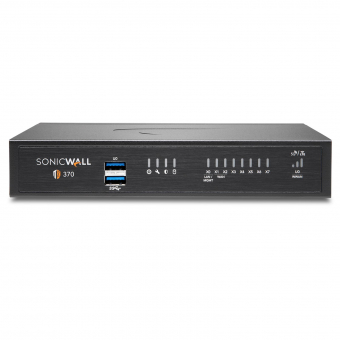
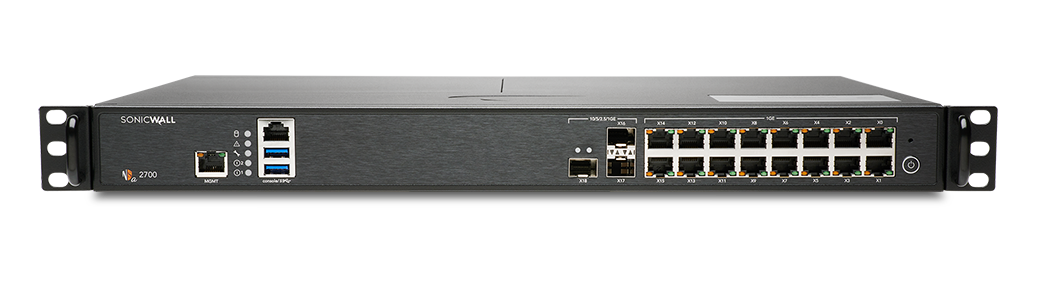
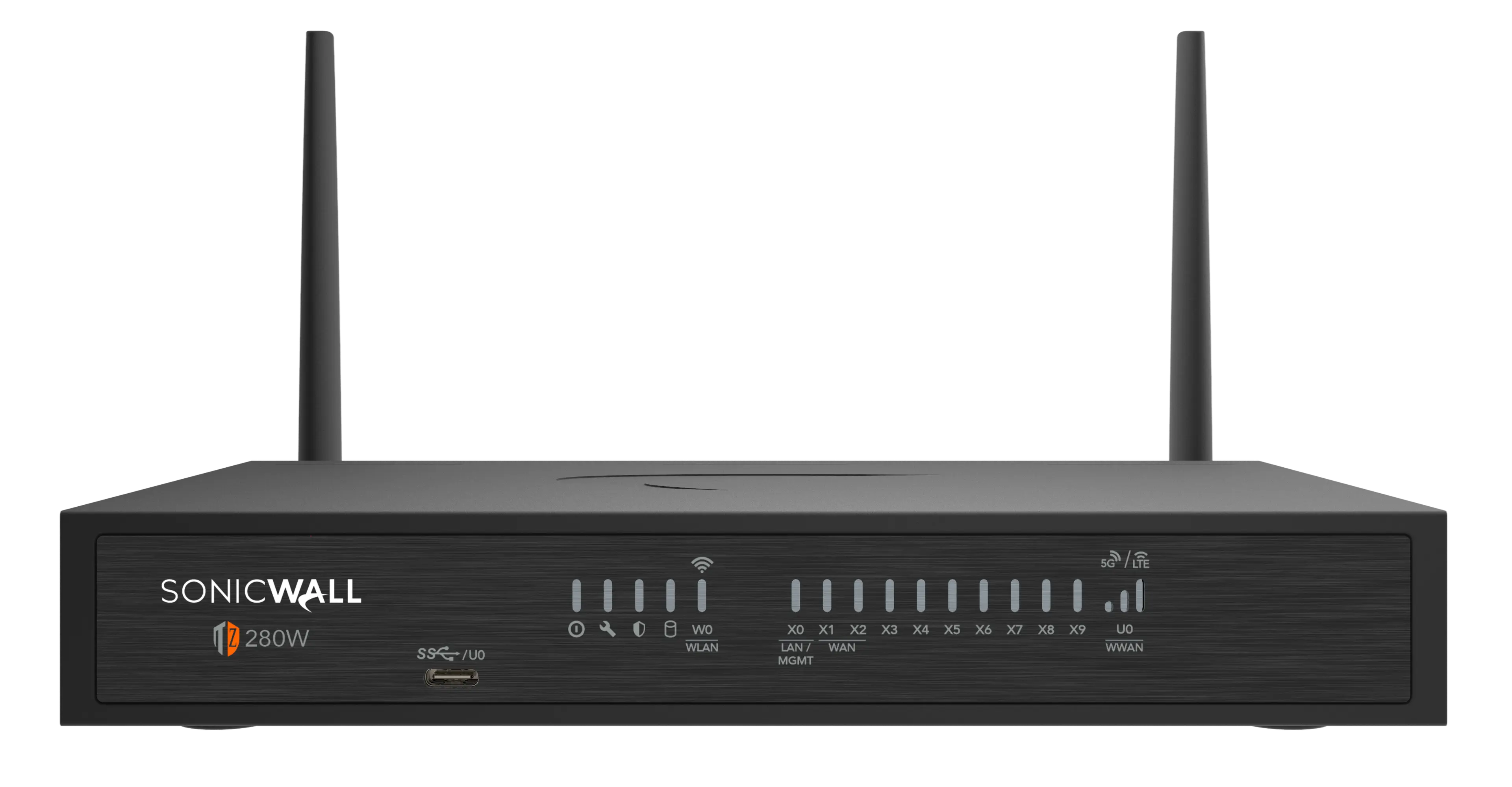
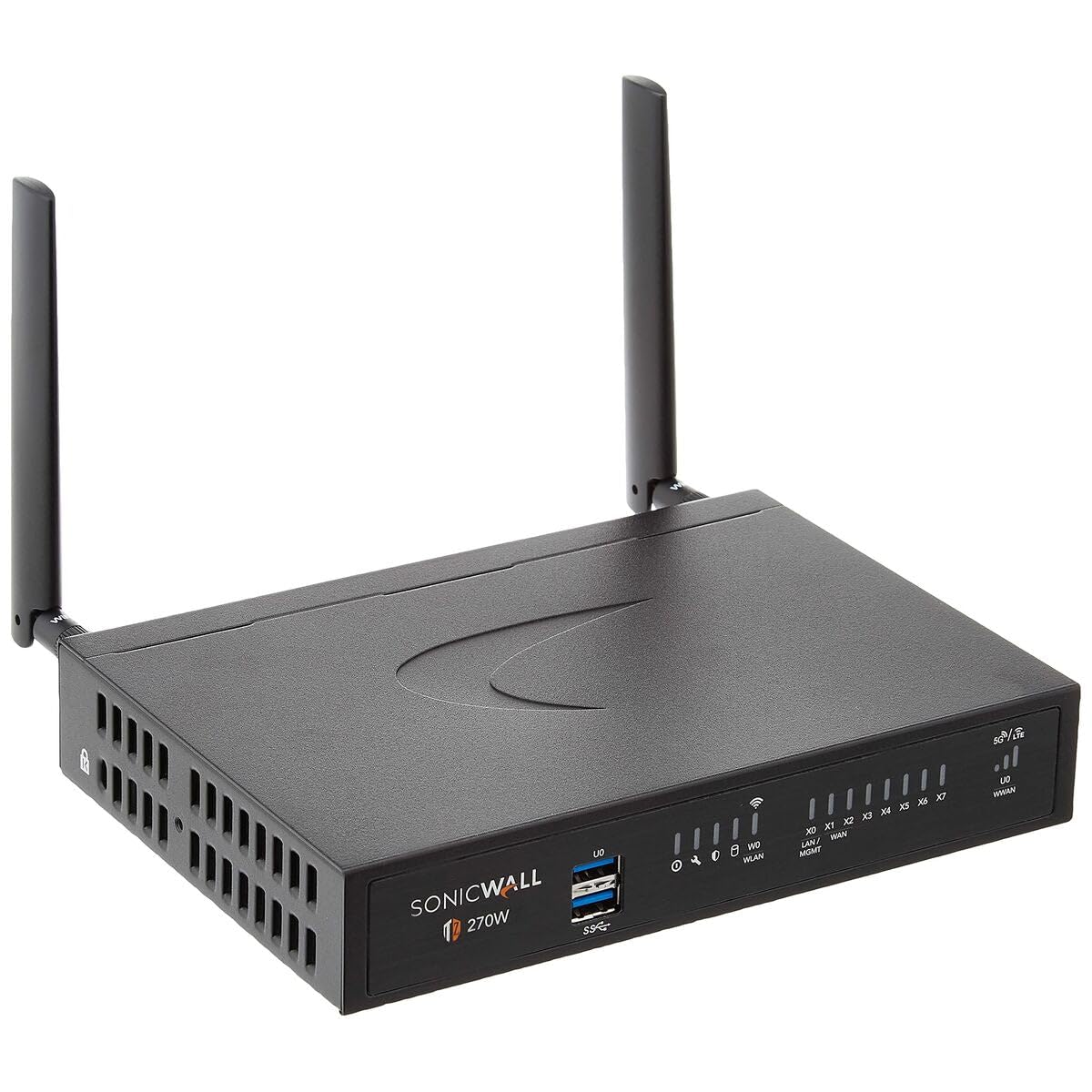
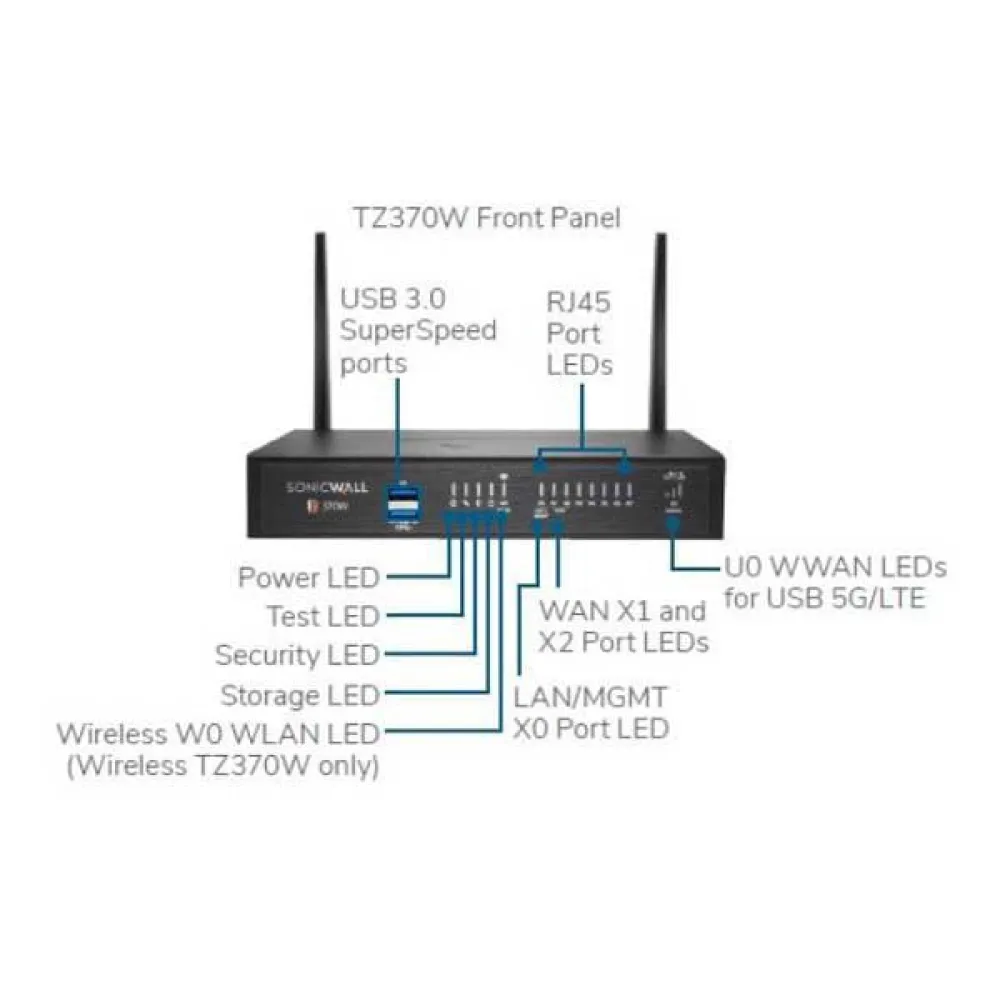
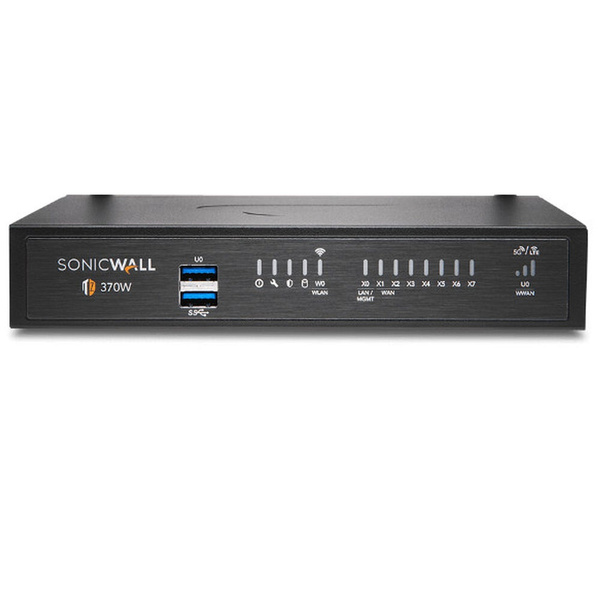
SonicWall SonicWall TZ570P
- The SonicWall TZ570P is a high-performance firewall designed for small to medium-sized businesses and organizations.
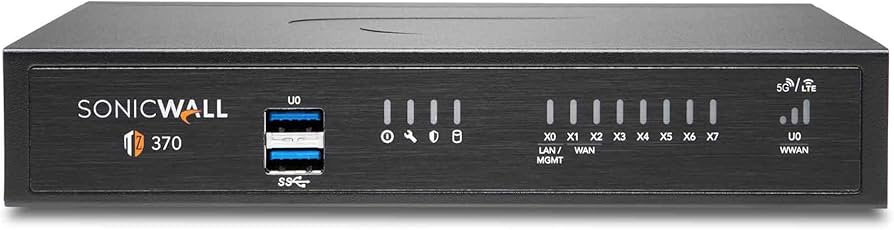
Specifications
- OS
- SonicOS 7.x
- IDS/IPS
- Yes
- LAN
- 2.5 GbE
- PoE
- Yes
- USB
- 2x USB 3.0
- UTM
- 1.9 Gbps
- VPN
- Yes
- WAN
- 2.5 GbE / 1 GbE
- SD-WAN
- Yes
- PoE Out
- 802.3at/af
- Firewall
- Stateful firewall, IPS, gateway AV, anti-spyware, application control
- Sessions
- 1.5 million
- LAN Ports
- 7x RJ45
- PoE Ports
- 4x RJ45
- VPN Peers
- 2000
- WAN Ports
- 2x RJ45
- Management
- HTTPS, SSH, SNMP, CLI, cloud
- PoE Budget
- 60 W
- Throughput
- 3.6 Gbps firewall
- SSL Inspection
- DPI-SSL
Potential Threats
20 Known CVEs
Default IP
192.168.168.168
Default admin panel address for SonicWall SonicWall TZ570P
Default Credentials — SonicWall SonicWall TZ570P
| Username | Password | Access Type | Protocol | Port | Notes |
|---|---|---|---|---|---|
| web | HTTPS | 443 |
Known CVE Vulnerabilities (20)
An Improper Authentication vulnerability in the SSLVPN authentication mechanism allows a remote attacker to bypass authentication.
Use of Cryptographically Weak Pseudo-Random Number Generator (PRNG) in the SonicOS SSLVPN authentication token generator that, in certain cases, can b...
Heap-based buffer overflow vulnerability in the SonicWall SMA100 SSLVPN due to the use of strcpy. This allows remote authenticated attackers to cause...
A flaw was found in Keycloak. This issue occurs due to improperly enforcing token types when validating signatures locally. This could allow an authen...
An improper access control vulnerability has been identified in the SonicWall SonicOS management access, potentially leading to unauthorized resource...
In OpenStack Nova before 27.4.1, 28 before 28.2.1, and 29 before 29.1.1, by supplying a raw format image that is actually a crafted QCOW2 image with a...
Heap-based buffer overflow vulnerability in the SonicOS IPSec VPN allows an unauthenticated remote attacker to cause Denial of Service (DoS).
Improper neutralization of special elements in the SMA100 SSL-VPN management interface allows a remote authenticated attacker with administrative priv...
The authentication mechanism in SonicWall GMS and Analytics Web Services had insufficient checks, allowing authentication bypass. This issue affects G...
A Stack-based buffer overflow vulnerability in the SonicOS allows a remote unauthenticated attacker to cause Denial of Service (DoS), which could caus...
Showing 10 of 20
FAQ
The most common default credentials for SonicWall SonicWall TZ570P are listed in the table above. Always change these immediately after setup.
The default username for SonicWall SonicWall TZ570P is typically "admin". The full list of default credentials including username, password, access type and port is shown in the table on this page.
Log in to the admin panel using the default credentials listed above. Navigate to Administration → Password or System → Account settings. Enter the current password and set a new strong password. Save the changes.
Locate the Reset button (usually a small pinhole on the back/bottom of the device). Hold it for 10-30 seconds while powered on until the LEDs flash. The device will reboot with default settings.
No. Default credentials are publicly known and frequently exploited by automated scanners. Change the admin password immediately after first login.
SonicWall SonicWall TZ570P has 20 known CVE vulnerabilities documented in our database. The full list with severity ratings is shown on this page. Apply the latest firmware update from the manufacturer to address known issues.