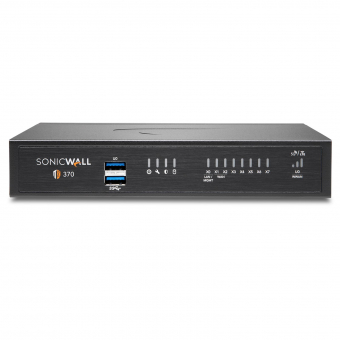
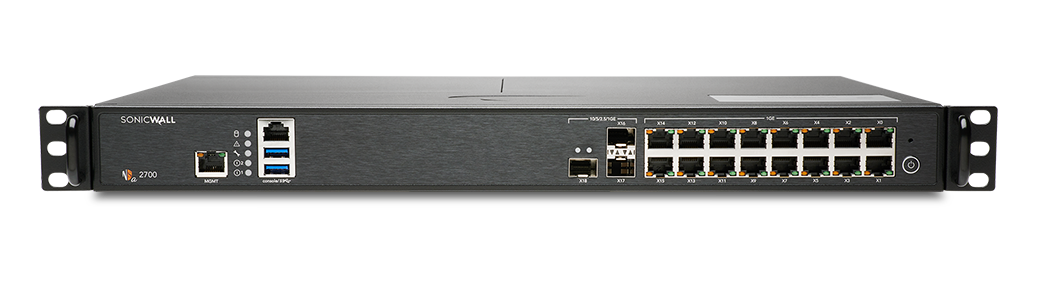
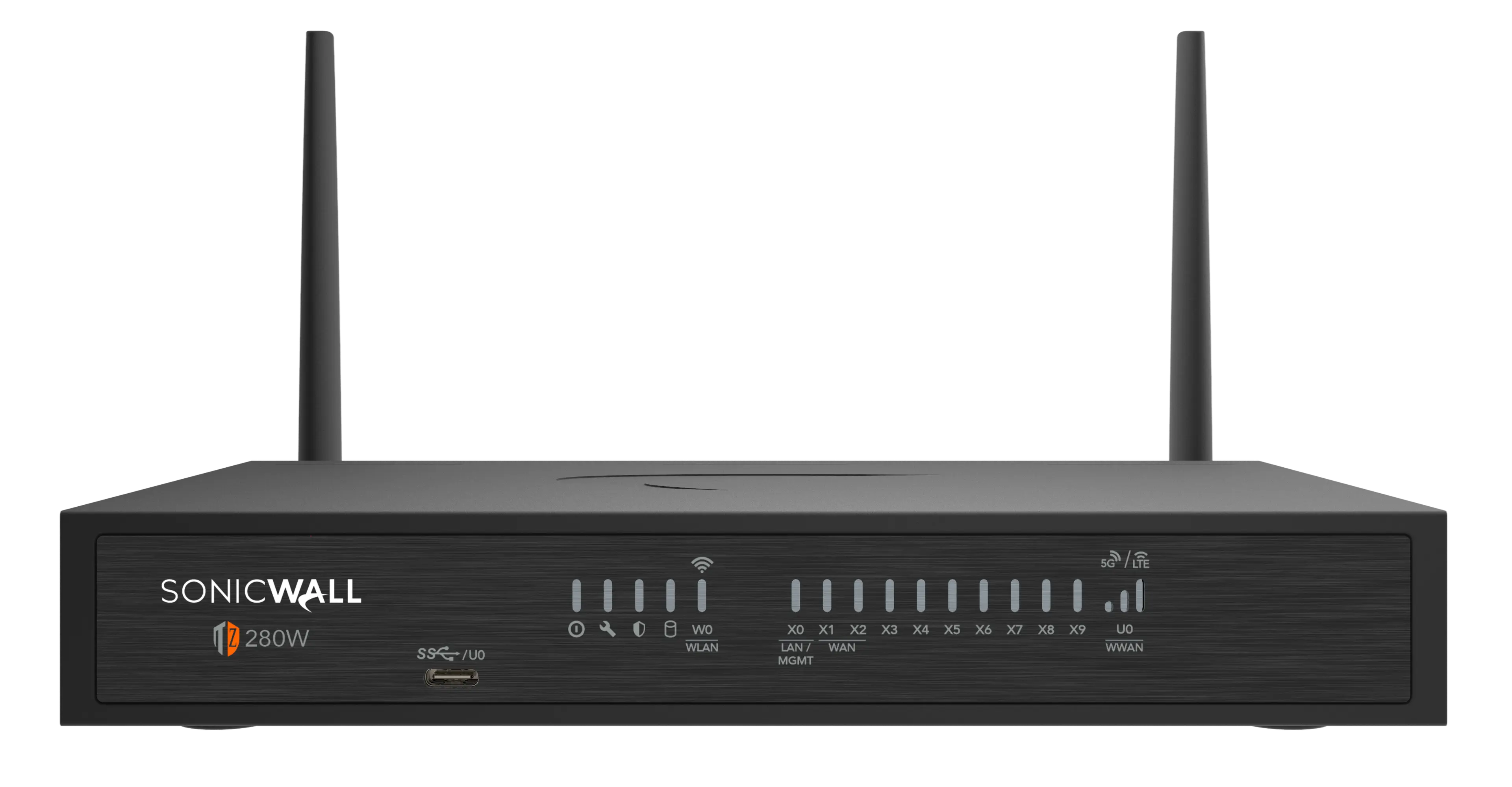
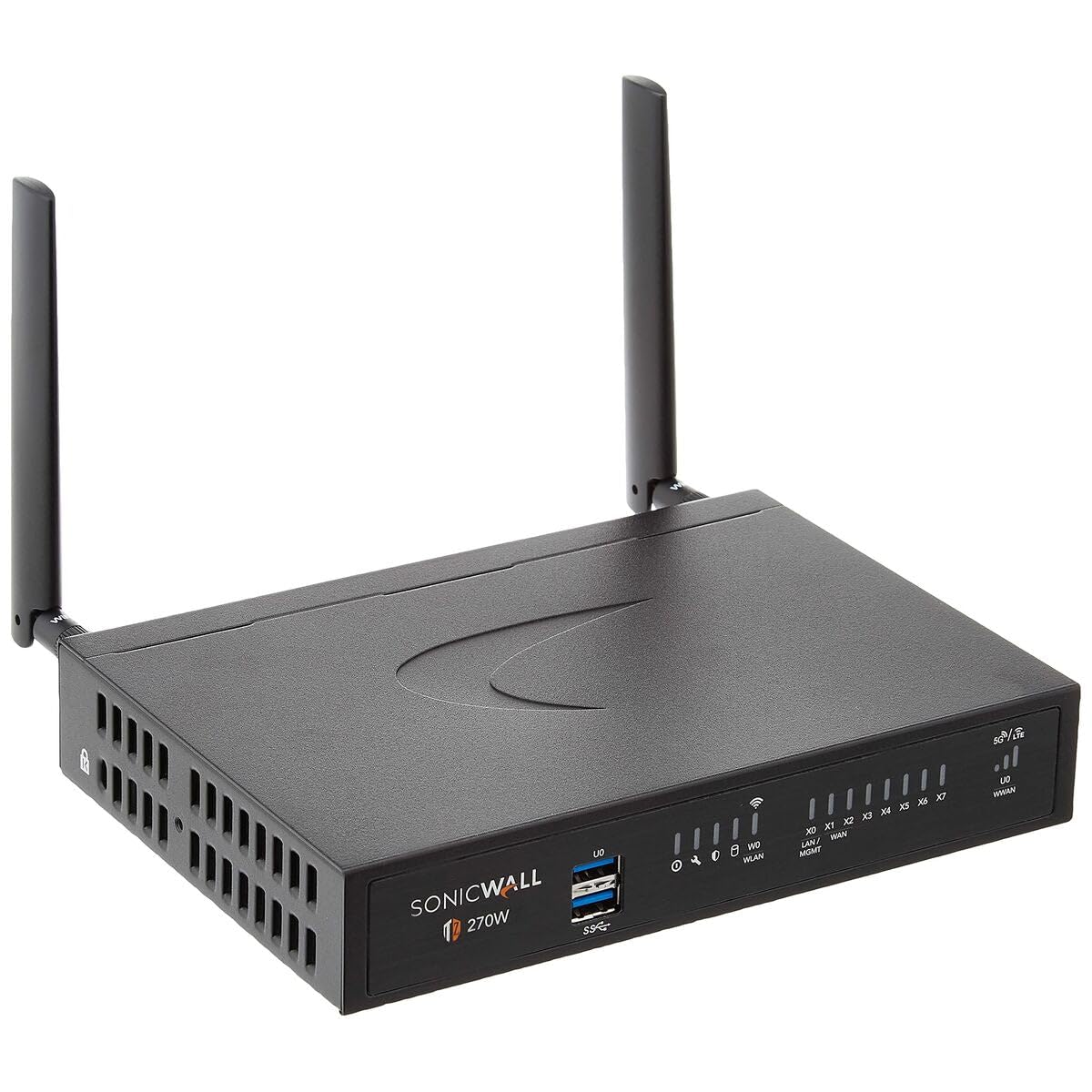
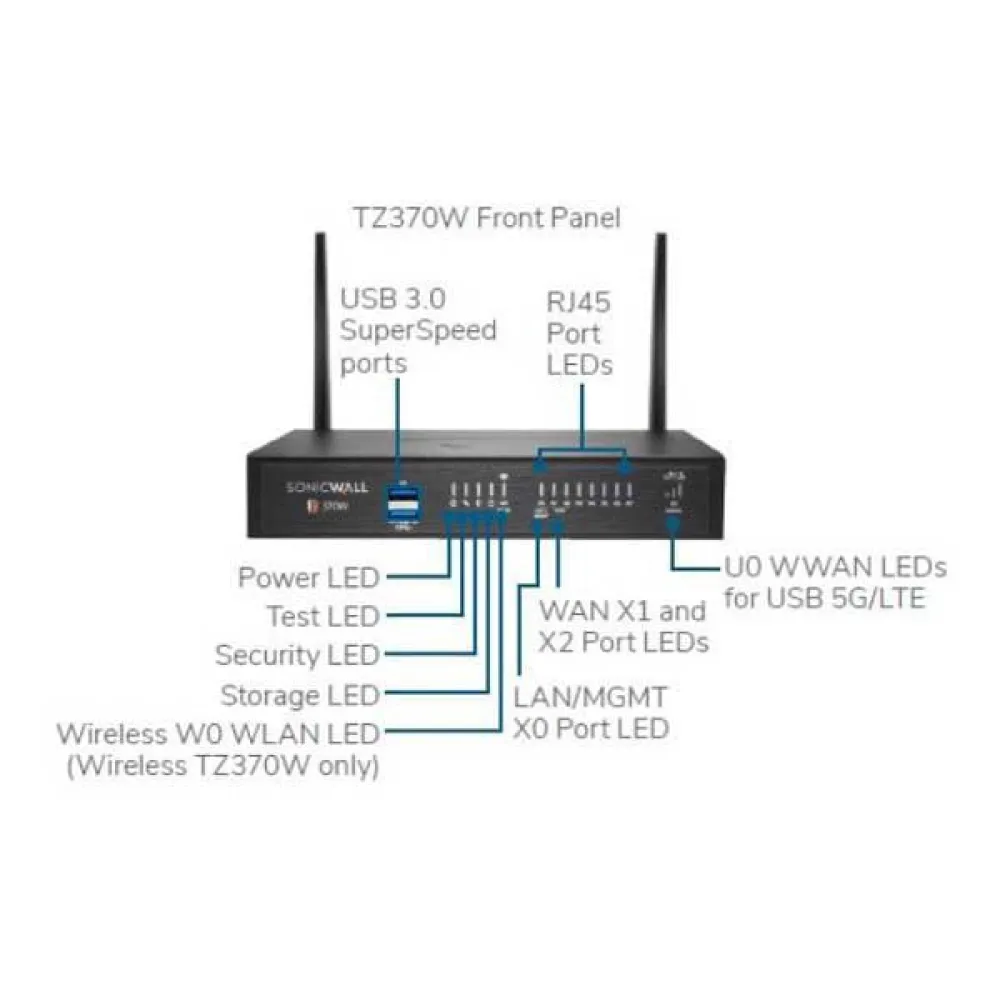
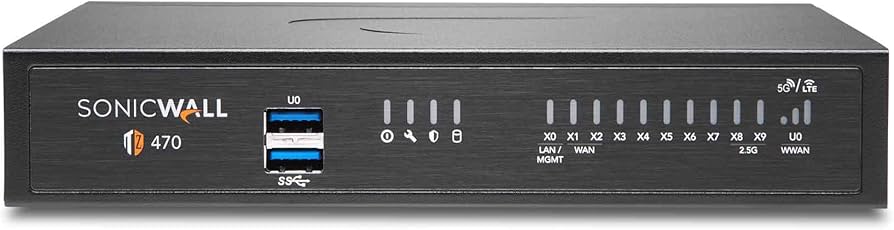
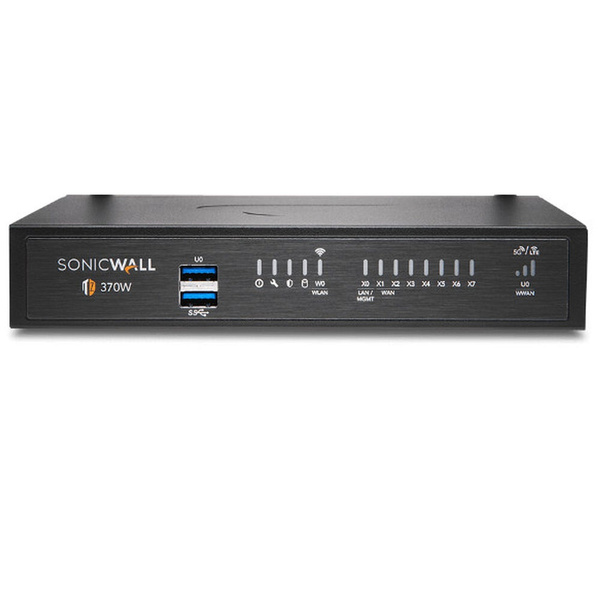
SonicWall SonicWall TZ370W
- The SonicWall TZ370W is a high-performance, all-in-one firewall that combines advanced security features with ease of use and scalability.
Specifications
- OS
- SonicOS 7.x
- CPU
- Octa-core 1.4 GHz
- IDS/IPS
- 1.5 Gbps
- LAN
- 7x 1GbE
- RAM
- 1 GB
- USB
- 1x USB 3.0
- UTM
- 1.25 Gbps
- VPN
- 1.3 Gbps
- WAN
- 1x 1GbE
- Wi-Fi
- 802.11ac Wave 2
- Bands
- 2.4/5 GHz
- Ports
- 8x 1GbE
- SD-WAN
- Yes
- Antennas
- 2x external
- Firewall
- 3 Gbps
- Sessions
- 500,000
- LAN Ports
- 7
- VPN Peers
- 200
- WAN Ports
- 1
- Management
- HTTPS, SSH, SNMP
- Throughput
- 3 Gbps
- SSL Inspection
- 800 Mbps
Potential Threats
21 Known CVEs
Default IP
192.168.168.168
Default admin panel address for SonicWall SonicWall TZ370W
Default Credentials — SonicWall SonicWall TZ370W
| Username | Password | Access Type | Protocol | Port | Notes |
|---|---|---|---|---|---|
| web | HTTPS | 443 |
Known CVE Vulnerabilities (21)
A Server-Side Request Forgery vulnerability in the SonicOS SSH management interface allows a remote attacker to establish a TCP connection to an IP ad...
An Improper Authentication vulnerability in the SSLVPN authentication mechanism allows a remote attacker to bypass authentication.
Use of Cryptographically Weak Pseudo-Random Number Generator (PRNG) in the SonicOS SSLVPN authentication token generator that, in certain cases, can b...
Heap-based buffer overflow vulnerability in the SonicWall SMA100 SSLVPN due to the use of strcpy. This allows remote authenticated attackers to cause...
An improper access control vulnerability has been identified in the SonicWall SonicOS management access, potentially leading to unauthorized resource...
Heap-based buffer overflow vulnerability in the SonicOS IPSec VPN allows an unauthenticated remote attacker to cause Denial of Service (DoS).
Improper neutralization of special elements in the SMA100 SSL-VPN management interface allows a remote authenticated attacker with administrative priv...
The authentication mechanism in SonicWall GMS and Analytics Web Services had insufficient checks, allowing authentication bypass. This issue affects G...
Use of Hard-coded Cryptographic Key vulnerability in SonicWall GMS, SonicWall Analytics. This issue affects GMS: 9.3.2-SP1 and earlier versions; Analy...
Rejected reason: This CVE ID has been rejected or withdrawn by its CVE Numbering Authority as this is a duplicate of CVE-2023-36540.
Showing 10 of 21
FAQ
The most common default credentials for SonicWall SonicWall TZ370W are listed in the table above. Always change these immediately after setup.
The default username for SonicWall SonicWall TZ370W is typically "admin". The full list of default credentials including username, password, access type and port is shown in the table on this page.
Log in to the admin panel using the default credentials listed above. Navigate to Administration → Password or System → Account settings. Enter the current password and set a new strong password. Save the changes.
Locate the Reset button (usually a small pinhole on the back/bottom of the device). Hold it for 10-30 seconds while powered on until the LEDs flash. The device will reboot with default settings.
No. Default credentials are publicly known and frequently exploited by automated scanners. Change the admin password immediately after first login.
SonicWall SonicWall TZ370W has 21 known CVE vulnerabilities documented in our database. The full list with severity ratings is shown on this page. Apply the latest firmware update from the manufacturer to address known issues.