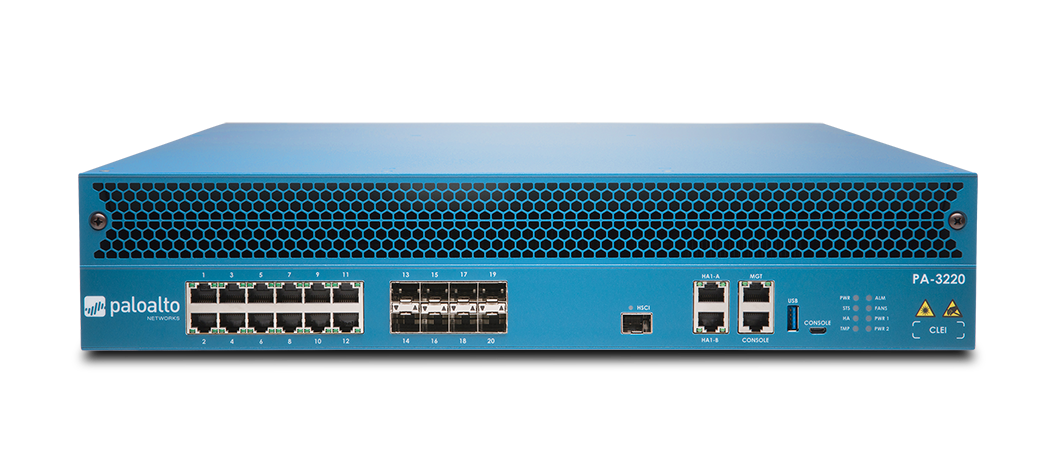
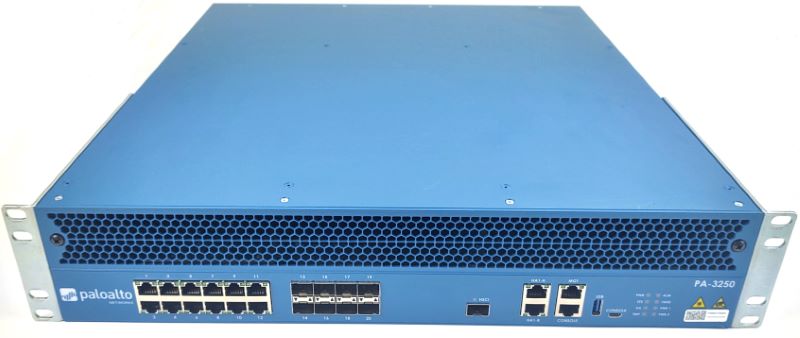
Palo Alto Networks Palo Alto VM-100
- The Palo Alto Networks VM-100 is a virtual firewall appliance that provides network security and threat prevention capabilities.
Specifications
- OS
- PAN-OS
- IDS/IPS
- Yes
- UTM
- 50 Mbps
- VPN
- IPsec, SSL
- SD-WAN
- Yes
- Firewall
- Yes
- Sessions
- 64,000
- VPN Peers
- 100
- Management
- Web, CLI, Panorama
- Throughput
- 100 Mbps
- SSL Inspection
- Yes
Potential Threats
25 Known CVEs
Default IP
192.168.1.1
Default admin panel address for Palo Alto Networks Palo Alto VM-100
Default Credentials — Palo Alto Networks Palo Alto VM-100
Known CVE Vulnerabilities (25)
An authentication bypass in the Palo Alto Networks PAN-OS software enables an unauthenticated attacker with network access to the management web inter...
A privilege escalation vulnerability in Palo Alto Networks PAN-OS software allows a PAN-OS administrator with access to the management web interface t...
An authentication bypass in Palo Alto Networks PAN-OS software enables an unauthenticated attacker with network access to the management web interface...
Rejected reason: This CVE ID has been rejected or withdrawn by its CVE Numbering Authority.
Rejected reason: This CVE ID has been rejected or withdrawn by its CVE Numbering Authority.
A command injection as a result of arbitrary file creation vulnerability in the GlobalProtect feature of Palo Alto Networks PAN-OS software for specif...
A vulnerability in how Palo Alto Networks PAN-OS software processes data received from Cloud Identity Engine (CIE) agents enables modification of User...
A memory leak exists in Palo Alto Networks PAN-OS software that enables an attacker to send a burst of crafted packets through the firewall that event...
The WP Reset – Most Advanced WordPress Reset Tool plugin for WordPress is vulnerable to Sensitive Information Exposure in all versions up to, and incl...
A reflected cross-site scripting (XSS) vulnerability in the Captive Portal feature of Palo Alto Networks PAN-OS software enables execution of maliciou...
Showing 10 of 25
FAQ
The most common default credentials for Palo Alto Networks Palo Alto VM-100 are listed in the table above. Always change these immediately after setup.
The default username for Palo Alto Networks Palo Alto VM-100 is typically "admin". The full list of default credentials including username, password, access type and port is shown in the table on this page.
Log in to the admin panel using the default credentials listed above. Navigate to Administration → Password or System → Account settings. Enter the current password and set a new strong password. Save the changes.
Locate the Reset button (usually a small pinhole on the back/bottom of the device). Hold it for 10-30 seconds while powered on until the LEDs flash. The device will reboot with default settings.
No. Default credentials are publicly known and frequently exploited by automated scanners. Change the admin password immediately after first login.
Palo Alto Networks Palo Alto VM-100 has 25 known CVE vulnerabilities documented in our database. The full list with severity ratings is shown on this page. Apply the latest firmware update from the manufacturer to address known issues.