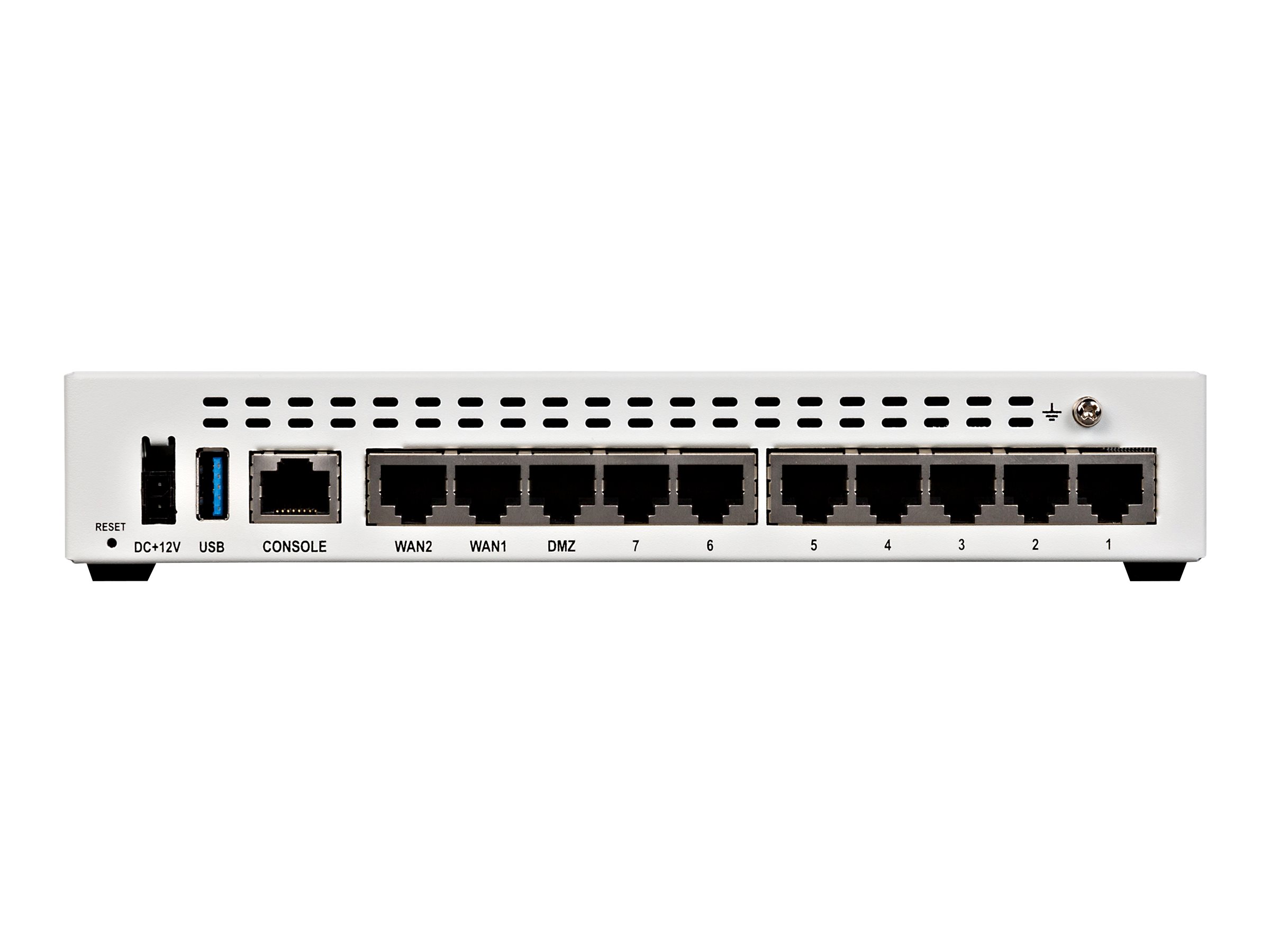
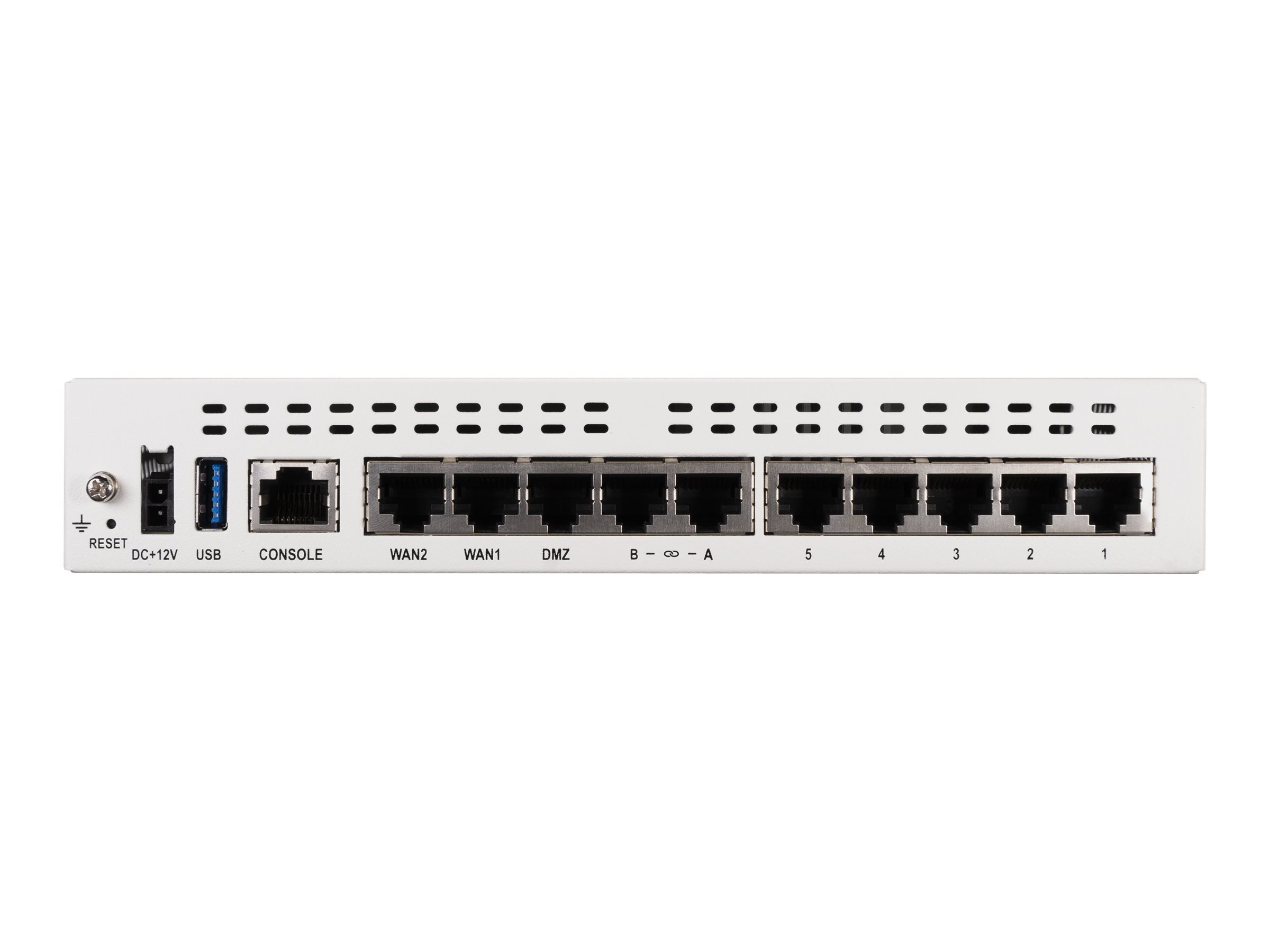
Fortinet Fortinet FortiGate 40F
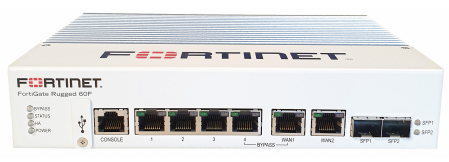
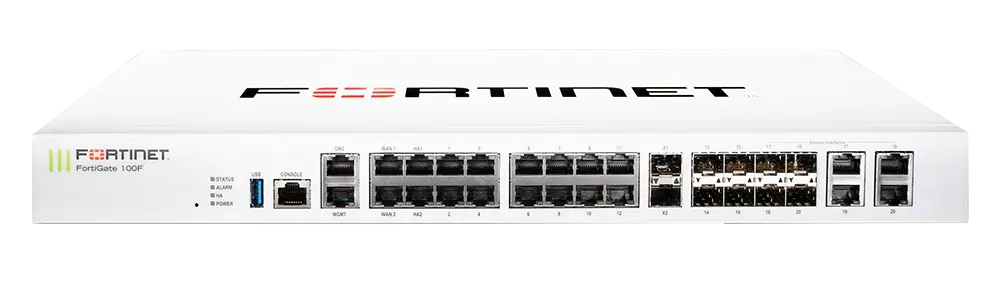
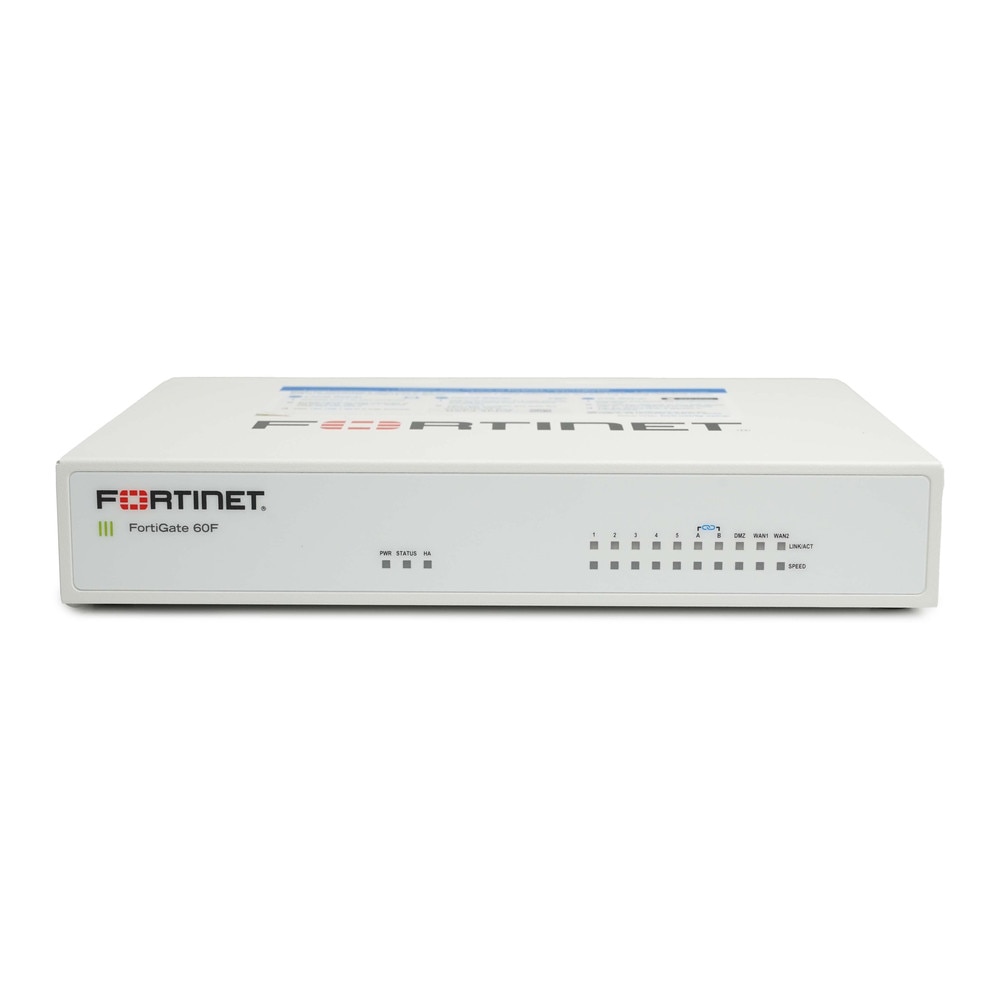
- The Fortinet FortiGate 40F is a compact, high-performance firewall designed for small to medium-sized businesses and branch offices.
Specifications
- OS
- FortiOS
- CPU
- SoC4
- IDS/IPS
- 1.4 Gbps
- LAN
- GE
- RAM
- 2 GB
- USB
- 1x USB 3.0
- UTM
- 1 Gbps
- VPN
- 4.4 Gbps IPsec
- WAN
- GE
- Wi-Fi
- No
- Flash
- 4 GB eMMC
- Ports
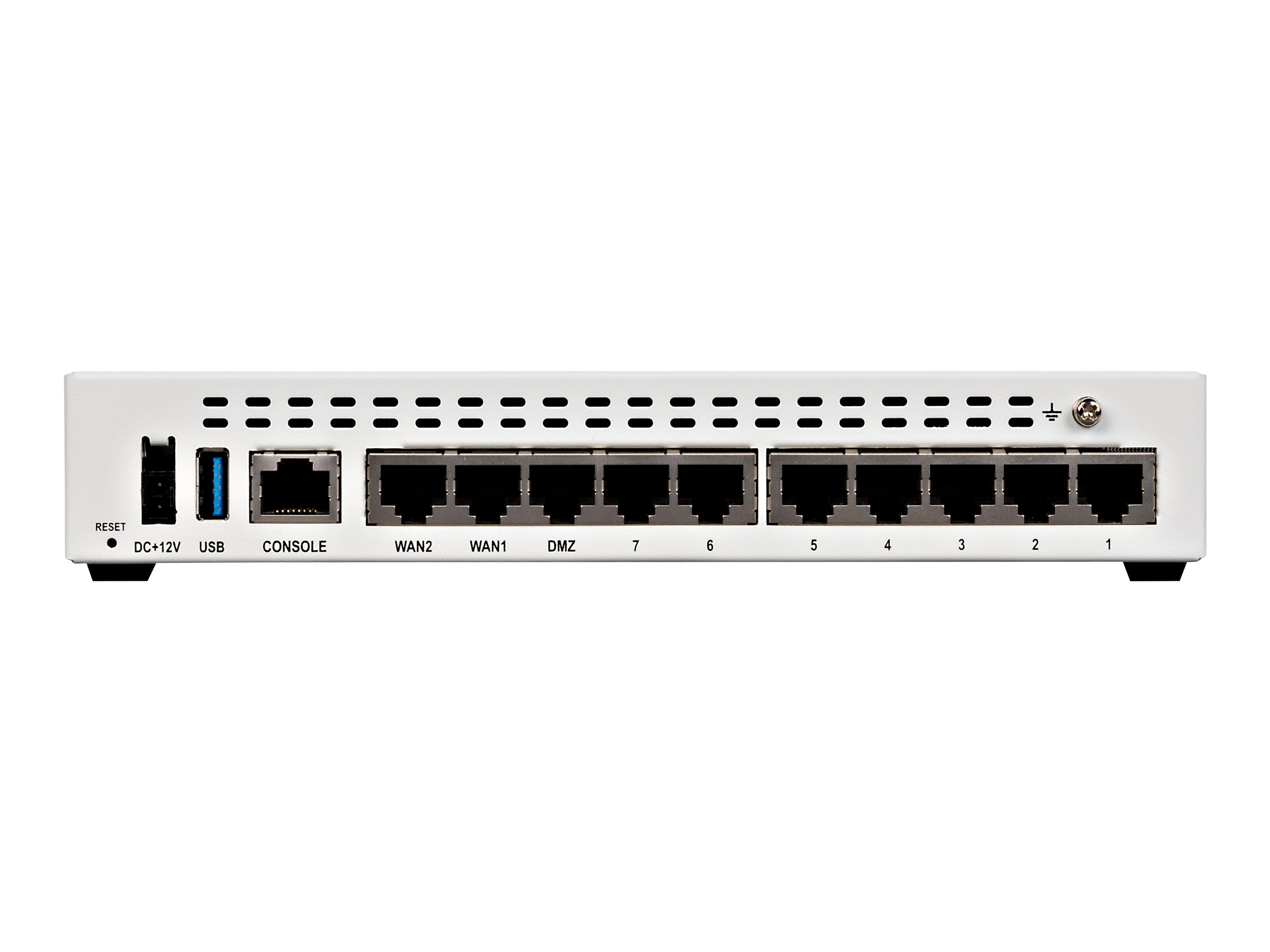
- 5x GE RJ45, 1x GE RJ45 WAN, 1x GE RJ45 DMZ, 1x USB
- SD-WAN
- Yes
- Firewall
- 5 Gbps
- Sessions
- 700,000
- LAN Ports
- 5x RJ45
- VPN Peers
- 200
- WAN Ports
- 1x RJ45
- Management
- FortiOS, Web, CLI, FortiManager, FortiAnalyzer
- Throughput
- 3 Gbps NGFW
- SSL Inspection
- 600 Mbps
Potential Threats
25 Known CVEs
Default IP
192.168.1.99
Default admin panel address for Fortinet Fortinet FortiGate 40F
Default Credentials — Fortinet Fortinet FortiGate 40F
Known CVE Vulnerabilities (25)
A buffer underwrite ('buffer underflow') vulnerability in the administrative interface of Fortinet FortiOS version 7.2.0 through 7.2.3, version 7.0.0...
An Authentication Bypass Using an Alternate Path or Channel vulnerability [CWE-288] affecting FortiOS version 7.0.0 through 7.0.16 and FortiProxy vers...
A Use After Free (CWE-416) vulnerability in FortiManager version 7.0.0, version 6.4.5 and below, version 6.2.7 and below, version 6.0.10 and below, ve...
A use of externally-controlled format string in Fortinet FortiOS versions 7.4.0 through 7.4.2, 7.2.0 through 7.2.6, 7.0.0 through 7.0.13, FortiProxy v...
A out-of-bounds write in Fortinet FortiOS versions 7.4.0 through 7.4.2, 7.2.0 through 7.2.6, 7.0.0 through 7.0.13, 6.4.0 through 6.4.14, 6.2.0 through...
A stack-based buffer overflow vulnerability [CWE-121] in Fortinet FortiOS before 7.0.3 allows a privileged attacker to execute arbitrary code via spec...
A buffer copy without checking size of input ('classic buffer overflow') in Fortinet FortiAnalyzer version 7.0.2 and below, version 6.4.7 and below, v...
A heap-based buffer overflow vulnerability [CWE-122] in FortiOS version 7.2.4 and below, version 7.0.11 and below, version 6.4.12 and below, version 6...
A out-of-bounds write in Fortinet FortiOS version 7.2.0 through 7.2.3, FortiOS version 7.0.0 through 7.0.10, FortiOS version 6.4.0 through 6.4.11, For...
A external control of file name or path in Fortinet FortiNAC versions 9.4.0, 9.2.0 through 9.2.5, 9.1.0 through 9.1.7, 8.8.0 through 8.8.11, 8.7.0 thr...
Showing 10 of 25
FAQ
The most common default credentials for Fortinet Fortinet FortiGate 40F are listed in the table above. Always change these immediately after setup.
The default username for Fortinet Fortinet FortiGate 40F is typically "admin". The full list of default credentials including username, password, access type and port is shown in the table on this page.
Log in to the admin panel using the default credentials listed above. Navigate to Administration → Password or System → Account settings. Enter the current password and set a new strong password. Save the changes.
Locate the Reset button (usually a small pinhole on the back/bottom of the device). Hold it for 10-30 seconds while powered on until the LEDs flash. The device will reboot with default settings.
No. Default credentials are publicly known and frequently exploited by automated scanners. Change the admin password immediately after first login.
Fortinet Fortinet FortiGate 40F has 25 known CVE vulnerabilities documented in our database. The full list with severity ratings is shown on this page. Apply the latest firmware update from the manufacturer to address known issues.